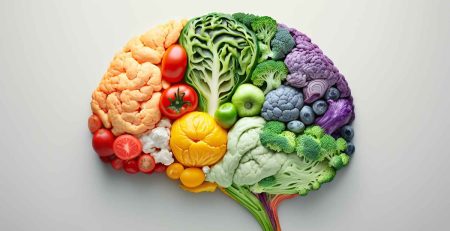
Brain Boosting Bites: ADHD Diet Tips for What to Eat and What to Skip
Attention Deficit Hyperactivity Disorder (ADHD) is a condition that affects millions of children and adults worldwide, impacting their ability to focus, stay organized, and control impulses. While ADHD is often managed through a combination of medication, therapy, and lifestyle changes, diet and nutrition can also play a crucial role in managing symptoms and improving overall well-being.
Foods to Eat: A balanced diet rich in whole, nutrient-dense foods can help support brain function and reduce the severity of ADHD symptoms. Omega-3 fatty acids, found in fatty fish like salmon, mackerel, and sardines, are particularly beneficial. These fats are essential for brain health and have been shown to improve attention and reduce hyperactivity in individuals with ADHD. Additionally, foods high in protein, such as lean meats, eggs, beans, and nuts, are important because they help produce neurotransmitters that regulate mood and behavior. Whole grains, fruits, and vegetables provide essential vitamins and minerals like magnesium, zinc, and iron, which are crucial for cognitive function. Some research suggests that low levels of these minerals may be linked to increased ADHD symptoms, so ensuring adequate intake is important.
Foods to Avoid: Certain foods can exacerbate ADHD symptoms, making it harder for individuals to manage their condition. Sugary foods and drinks, such as candy, soda, and desserts, can cause spikes and crashes in blood sugar levels, leading to increased hyperactivity and difficulty concentrating. Artificial additives, including food colorings, preservatives, and flavor enhancers, have also been linked to worsened ADHD symptoms in some people. Processed foods, which are often high in unhealthy fats, sugars, and low in nutritional value, can negatively impact brain function and should be limited. Additionally, some individuals with ADHD may have sensitivities to gluten or dairy, which can lead to digestive issues and potentially worsen symptoms. For these individuals, eliminating or reducing these foods from their diet may provide relief.
Considerations: It’s important to note that each person with ADHD is unique, and what works for one individual may not work for another. Therefore, it may be helpful to keep a food diary to track how different foods affect symptoms and work with a healthcare provider to tailor a diet plan that meets individual needs. Additionally, while diet can play a significant role in managing ADHD, it should be considered as part of a comprehensive treatment plan that includes medical care, behavioral therapy, and other supportive interventions.
Conclusion: While there is no one-size-fits-all diet for ADHD, focusing on nutrient-rich foods that support brain health and avoiding those that can trigger symptoms can make a significant difference in managing the condition. By paying attention to diet and making thoughtful food choices, individuals with ADHD can improve their focus, reduce hyperactivity, and enhance their overall quality of life.