Can Just 30 Minutes of Exercise Help Prevent Type 2 Diabetes? Here’s What You Need to Know
At Chappelle Pharmacy, we believe in the power of prevention. With Type 2 diabetes becoming increasingly prevalent, it’s important to understand that small lifestyle changes—such as regular exercise—can have a significant impact on your health. The good news? Just 30 minutes of exercise a day can help prevent or manage Type 2 diabetes.
In this blog post, we’ll explore how 30 minutes of physical activity can be a game changer when it comes to Type 2 diabetes prevention. We’ll also highlight how our pharmacy services can support you in your journey to better health.
What is Type 2 Diabetes?
Type 2 diabetes is a chronic condition where the body doesn’t properly use or produce insulin—a hormone that helps regulate blood sugar levels. Unlike Type 1 diabetes, which is an autoimmune condition, Type 2 diabetes is largely preventable and often results from a combination of genetic factors and lifestyle choices.
When someone has Type 2 diabetes, the body becomes resistant to insulin, causing blood sugar levels to rise. Over time, high blood sugar can lead to serious health complications, including:
- Heart disease
- Kidney damage
- Nerve damage
- Eye problems, potentially leading to blindness
- Increased risk of stroke
The good news is that lifestyle changes such as exercise, diet, and weight management can significantly reduce the risk of developing Type 2 diabetes and can help manage the condition if already diagnosed.
How Exercise Helps Prevent Type 2 Diabetes
So, can just 30 minutes of exercise really help prevent Type 2 diabetes? The answer is yes—and here’s why:
1. Improves Insulin Sensitivity
One of the key factors in preventing or managing Type 2 diabetes is improving your body’s sensitivity to insulin. Regular physical activity makes your muscles more receptive to insulin, which means your body can use insulin more effectively to manage blood sugar levels. This reduces the need for your pancreas to produce excess insulin, a common feature in the early stages of Type 2 diabetes.
2. Helps Maintain Healthy Weight
Exercise helps burn calories and build muscle, which in turn helps with weight management. Carrying excess weight, especially around the abdomen, is a major risk factor for Type 2 diabetes. By keeping your weight in a healthy range through regular exercise, you reduce your risk of developing insulin resistance.
3. Lowers Blood Sugar Levels
Exercise naturally lowers blood sugar levels, especially after meals. This happens because your muscles use glucose for energy during physical activity. Regular exercise helps keep your blood sugar levels within a healthy range, preventing them from becoming dangerously high—a hallmark of Type 2 diabetes.
4. Reduces Inflammation
Chronic low-level inflammation is often seen in people at risk for Type 2 diabetes. Regular physical activity has anti-inflammatory effects, reducing the inflammation in your body and lowering your risk for insulin resistance and metabolic dysfunction.
5. Improves Cardiovascular Health
People with Type 2 diabetes are at an increased risk for heart disease. Regular exercise strengthens the heart, improves circulation, and helps reduce risk factors like high blood pressure and high cholesterol. This not only helps prevent diabetes but also supports overall cardiovascular health.
6. Boosts Energy Levels and Reduces Stress
Exercise increases endorphins, which are your body’s natural mood boosters. It also helps reduce cortisol, a stress hormone. Both of these effects can improve your overall well-being and help you cope with challenges related to managing your health.
What Does 30 Minutes of Exercise Look Like?
The good news about exercise is that it doesn’t have to be complicated. You don’t need to hit the gym or take on high-intensity workouts to benefit. 30 minutes of moderate activity—such as brisk walking, cycling, swimming, or dancing—can have a positive impact on your health.
Here are some simple ways to get your 30 minutes of exercise:
- Brisk Walking: Just 30 minutes of walking at a moderate pace (about 3-4 mph) can help reduce your risk of Type 2 diabetes. You can break it up into smaller 10-minute walks if needed.
- Cycling: Whether outdoors or on a stationary bike, cycling is an excellent way to improve cardiovascular health and burn calories.
- Swimming: Swimming is a low-impact exercise that’s gentle on the joints but effective in increasing heart rate and improving insulin sensitivity.
- Dancing: Fun and social, dancing is a great way to get your body moving and burn calories.
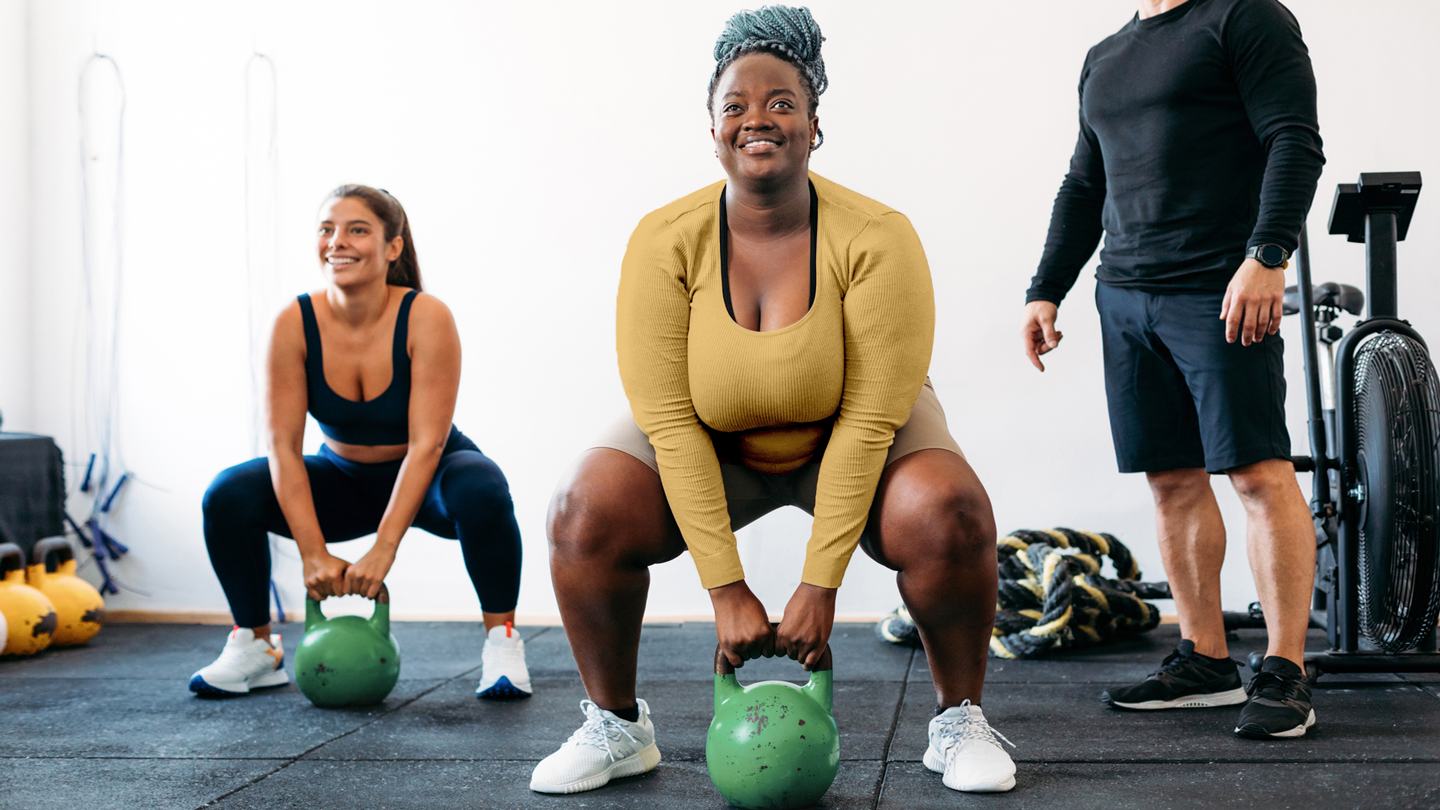
- Strength Training: Incorporating light weights or bodyweight exercises (like squats and lunges) can help build muscle, which in turn improves insulin sensitivity and blood sugar control.
Is 30 Minutes Enough?
While 30 minutes of exercise a day is a great starting point, it’s important to aim for at least 150 minutes of moderate-intensity activity each week, as recommended by health organizations such as the American Diabetes Association. This breaks down into about 30 minutes of activity five days a week.
Additionally, it’s helpful to incorporate some variety into your exercise routine. Including both aerobic (cardio) exercises and strength training can provide the most benefits for preventing and managing Type 2 diabetes.
The Key is Consistency
The most important factor in exercise is consistency. It’s not about pushing yourself to extremes, but rather making physical activity a regular part of your lifestyle. Whether it’s taking the stairs instead of the elevator, going for a walk after dinner, or joining a yoga class, these small, sustainable changes can have a big impact over time.
How Chappelle Pharmacy Can Support You
At Chappelle Pharmacy, we are committed to supporting you in your health journey. Here are some of the ways we can assist with your diabetes prevention and management:
1. Medication Counseling and Management
If you’re at risk for Type 2 diabetes or already diagnosed, we can help you understand your medications and how they work. We’ll provide guidance on proper usage, potential side effects, and how medications interact with lifestyle changes like exercise and diet.
2. Blood Glucose Monitoring
Monitoring your blood sugar levels is essential for managing diabetes. We provide blood glucose meters and strips, as well as advice on how to use them. Our team can guide you on when and how to check your levels for the most accurate results.
3. Health Screenings
We offer health screenings for blood pressure, cholesterol, and blood glucose levels. Regular check-ups are essential to catching early signs of Type 2 diabetes and managing your health effectively.
4. Nutritional Advice
Proper nutrition plays a key role in diabetes prevention. We offer nutritional advice to help you make healthier food choices and manage your blood sugar levels. Whether you need guidance on portion control, meal planning, or diabetic-friendly recipes, we’re here to help.
5. Exercise Guidance
While we’re not personal trainers, we can offer advice on how to incorporate more activity into your routine. Whether you’re new to exercise or have been active for years, our team can provide resources and ideas for physical activities that fit your lifestyle.
6. Lifestyle Coaching
Making long-term changes to your health requires more than just physical activity. Our pharmacists can guide you through lifestyle changes, helping you stay motivated, set achievable goals, and track your progress.
7. Immunizations
As people with diabetes are at higher risk for complications from infections, we offer flu shots and other recommended vaccinations to keep you healthy and prevent illness.
Conclusion: A Small Step for Big Health Benefits
Incorporating just 30 minutes of exercise into your daily routine can have profound benefits in preventing Type 2 diabetes. The best part? You don’t need to be an athlete or spend hours at the gym. Simple, consistent physical activity can improve insulin sensitivity, control blood sugar, and reduce your risk of developing diabetes.
At Chappelle Pharmacy, we’re here to support you with the tools and resources you need to stay healthy. Whether you need help with medication management, blood glucose monitoring, or lifestyle tips, we’re here for you every step of the way.
Start small, stay consistent, and make those 30 minutes of exercise count—your health is worth it!