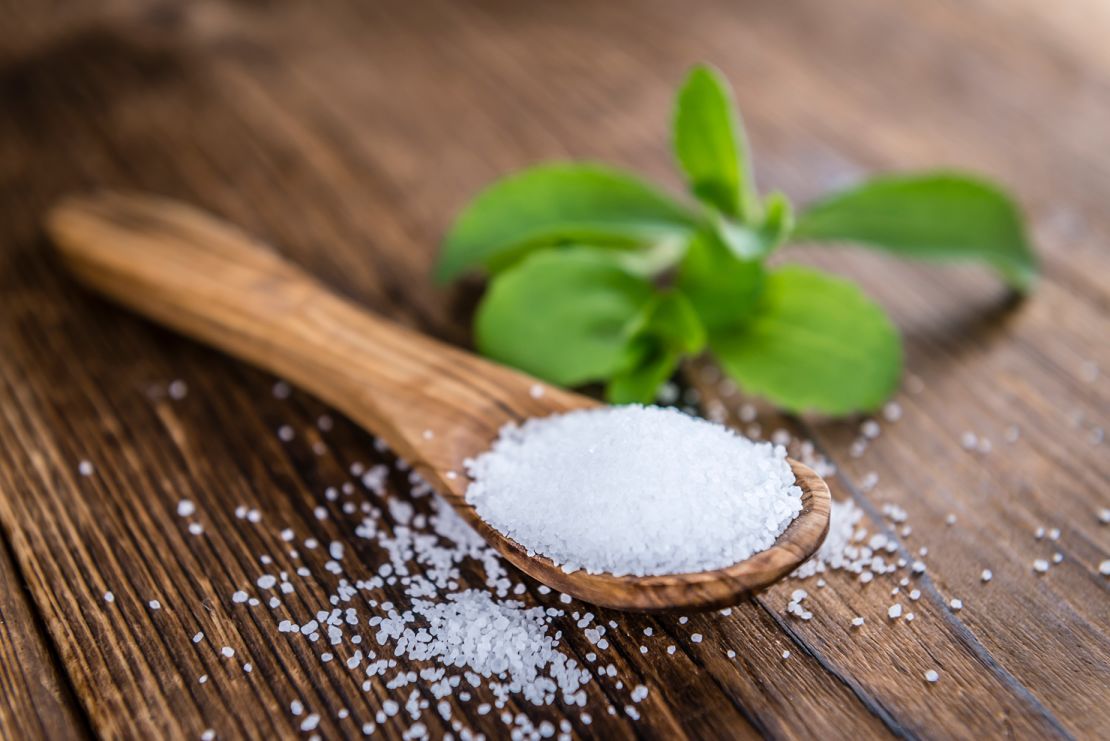
Sweet Deception: Are Zero-Calorie Sweeteners Risking Your Heart’s Health?
In the quest for a healthier lifestyle, many people turn to zero-calorie sweeteners as a guilt-free way to satisfy their sweet tooth. These sugar substitutes promise the pleasure of sweetness without the associated calories, making them a popular choice for those looking to manage their weight, reduce sugar intake, or control blood sugar levels. However, emerging research is beginning to paint a different picture—one that suggests these sweeteners may come with serious health risks, particularly concerning blood clots and heart disease.
The Rise of Zero-Calorie Sweeteners
Zero-calorie sweeteners, also known as artificial sweeteners, have been marketed as a healthier alternative to sugar for decades. Products like aspartame, sucralose, saccharin, and stevia have become household names, commonly found in everything from diet sodas to sugar-free gum. The appeal is obvious: all the sweetness without the calories or the spike in blood glucose levels.
For those with diabetes, obesity, or simply a desire to reduce their caloric intake, these sweeteners seem like the perfect solution. But as their use has increased, so too has the scrutiny of their long-term health effects.
The Connection Between Sweeteners and Heart Health
Recent studies have raised alarms about the potential dangers of zero-calorie sweeteners, particularly concerning cardiovascular health. A study published in the British Medical Journal (BMJ) in 2022 found that people who consumed higher amounts of artificial sweeteners had an increased risk of developing cardiovascular diseases, including heart attacks and strokes. The study analyzed data from over 100,000 participants and found a significant association between the consumption of these sweeteners and heart-related health issues.
But how do zero-calorie sweeteners contribute to such serious health risks? One of the leading theories is that these sweeteners may interfere with the body’s ability to metabolize sugar, leading to insulin resistance, a known risk factor for heart disease. Additionally, there is growing evidence that artificial sweeteners may negatively impact the gut microbiome, leading to inflammation—a key contributor to atherosclerosis, the buildup of plaque in the arteries.
Blood Clots: A Hidden Danger
Perhaps even more concerning is the emerging evidence linking zero-calorie sweeteners to an increased risk of blood clots. Blood clots are a serious health risk as they can lead to deep vein thrombosis (DVT), pulmonary embolism, heart attacks, and strokes.
A groundbreaking study published in 2023 by researchers at the Cleveland Clinic found that participants who regularly consumed certain artificial sweeteners, particularly erythritol, had a higher risk of developing blood clots. The researchers discovered that erythritol, a common ingredient in many “natural” sweeteners, could increase the stickiness of platelets, the blood cells responsible for clotting. This stickiness can lead to the formation of clots in blood vessels, which can then travel to critical areas like the heart, lungs, or brain, causing potentially life-threatening events.
This study is among the first to highlight the potential dangers of erythritol, a sweetener often marketed as a safer, more natural alternative to other artificial sweeteners. The findings suggest that even sweeteners derived from natural sources are not without their risks.
The Gut Microbiome Connection
The gut microbiome, the community of trillions of bacteria living in our intestines, plays a crucial role in our overall health. It’s responsible for everything from digesting food to regulating the immune system. Emerging research suggests that zero-calorie sweeteners may negatively impact the gut microbiome, leading to a host of health problems, including an increased risk of heart disease.
A 2022 study published in Nature found that artificial sweeteners like saccharin, sucralose, and aspartame can alter the composition of gut bacteria. These changes may lead to glucose intolerance, a precursor to diabetes and a known risk factor for cardiovascular disease. Additionally, an imbalanced gut microbiome can lead to chronic inflammation, which is strongly linked to the development of atherosclerosis and other cardiovascular conditions.
This research adds to the growing body of evidence that the gut microbiome is intricately linked to heart health and that disrupting this delicate balance with artificial sweeteners could have serious consequences.
The Weight Management Paradox
One of the primary reasons people turn to zero-calorie sweeteners is to manage their weight. However, some studies suggest that these sweeteners may not be as effective for weight management as once thought. In fact, they may even contribute to weight gain.
Research published in the Journal of the American Medical Association (JAMA) in 2021 found that people who regularly consumed diet sodas and other products containing artificial sweeteners were more likely to gain weight over time compared to those who did not use these sweeteners. The study suggested that artificial sweeteners might increase cravings for sugary foods, leading to higher overall calorie consumption.
Moreover, there is evidence that zero-calorie sweeteners may disrupt the body’s natural ability to regulate calorie intake. By tricking the brain into thinking it’s consuming sugar, these sweeteners may interfere with the body’s ability to accurately assess calorie intake, leading to overeating and weight gain.
Navigating the Sweetener Minefield
Given the potential risks associated with zero-calorie sweeteners, many health experts are now urging caution. While these sweeteners can be a useful tool for reducing sugar intake, they should not be seen as a free pass to indulge in sweet flavors without consequences.
For those concerned about their heart health, the best approach may be to minimize the use of artificial sweeteners altogether. Instead, consider natural sweeteners like honey, maple syrup, or agave nectar, which, while still containing sugar, also offer additional nutrients and may have a less pronounced impact on blood sugar levels and gut health.
Alternatively, focusing on reducing overall sugar intake and retraining your taste buds to enjoy less sweet foods can be a healthier long-term strategy. Incorporating more whole foods like fruits and vegetables, which contain natural sugars along with fiber, vitamins, and minerals, can help satisfy sweet cravings in a healthier way.
Conclusion: A Bitter Truth About Sweetness
The allure of zero-calorie sweeteners is undeniable—they offer the promise of sweetness without the guilt. However, as emerging research suggests, this promise may come with hidden risks to heart health. From an increased risk of blood clots to potential disruptions in the gut microbiome, the dangers associated with these sweeteners are becoming harder to ignore.
As with many things in life, moderation is key. While zero-calorie sweeteners can play a role in a balanced diet, relying on them too heavily may pose risks to your heart health. As more research unfolds, it’s becoming increasingly clear that when it comes to sweeteners, the safest bet might be to embrace natural options and savor the sweetness of life in its purest form.
At Chappelle Pharmacy, we are committed to keeping you informed about the latest health trends and research. If you have any concerns about your diet or health, our knowledgeable pharmacists are here to help. Visit us today to learn more about how you can make healthier choices for a better tomorrow.