Turmeric Talk: Health Benefits, Myths, and What You Need to Know
Turmeric has been used by humans for more than 4,000 years in cooking, cosmetics, and traditional medicine practices like Ayurveda. Known for treating conditions from arthritis to digestive issues, turmeric remains a popular health supplement today. Many articles and social media posts tout its benefits for brain function, pain relief, and inflammation reduction. However, while some claims are supported by evidence, most research has been conducted in cells and animals, leaving the actual effects on humans unclear. At Chappelle Pharmacy, we believe it’s essential to understand both the potential benefits and limitations of supplements like turmeric.
Turmeric contains over 100 different compounds, with most health benefits attributed to curcuminoids, particularly curcumin. Curcuminoids are phenolic compounds that give turmeric its distinctive color and can alter cell function. In the lab, these compounds have shown antioxidant effects, which prevent or slow damage caused by free radicals—molecules linked to inflammation, heart disease, and cancer. Despite turmeric’s anti-inflammatory properties, many of these benefits have only been proven in lab studies or animal models. For instance, one study found that obese mice fed curcumin had improved brain function and reduced liver inflammation, but translating this to humans is challenging. An equivalent dose for a 70kg person would require consuming over 2kg of turmeric daily, which is impractical.
Turmeric and curcumin are marketed as anti-inflammatory supplements for conditions like joint pain and arthritis. A review of human trials suggests turmeric supplements may modestly benefit pain compared to a placebo and may be as beneficial as non-steroidal anti-inflammatory drugs in some cases. However, the studies reviewed vary in quality, often involving small populations and inconsistent dosages, making it difficult to recommend turmeric as an effective pain treatment. Turmeric’s potential anti-cancer properties, linked to its antioxidant effects, have also been studied. In the lab, curcumin has reversed DNA changes causing breast cancer, but its impact on cancer prevention or treatment in humans remains uncertain. Some research indicates that a turmeric gargle can reduce radiotherapy side effects in head and neck cancer patients and that curcumin consumption might reduce cancer-causing polyps in people with familial adenomatous polyposis, a genetic condition associated with early-stage cancer.
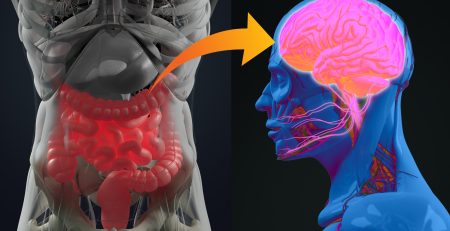
A significant challenge in utilizing turmeric’s benefits is its absorption. Curcumin is large and not very soluble in water, making it difficult for the body to absorb into the bloodstream. Some research suggests turmeric may work by acting on gut bacteria, potentially offering health benefits without entering the bloodstream. However, more data is needed to confirm this in humans. Another challenge is the high amount of turmeric required to see benefits, often using only the curcumin extract, which constitutes about 3% of turmeric powder. The dosages effective in animal studies are difficult to achieve in humans, even with supplements. While turmeric adds flavor and color to food, its reported health benefits are not yet clearly translatable to human health. At Chappelle Pharmacy, we encourage enjoying turmeric as a spice but caution against relying on it for significant health improvements or disease treatment.
For personalized advice and high-quality supplements, visit Chappelle Pharmacy. We’re here to support your health and wellness journey with accurate information and reliable products.