When Your Medicine Fights Back: How to Identify Medication Allergies
When we take medications, we rely on them to treat or alleviate symptoms of an illness. However, for some people, medications can cause allergic reactions. Medication allergies happen when your immune system mistakenly identifies a drug as a harmful substance, leading to a variety of symptoms that can be mild, moderate, or even life-threatening. Knowing how to recognize the signs of an allergic reaction and what actions to take can protect your health and potentially save your life.
Common Symptoms of Medication Allergies The symptoms of a medication allergy can vary depending on the severity of the reaction. Common mild symptoms include hives, rashes, itching, or swelling, particularly on the face, lips, or tongue. Some people may experience gastrointestinal symptoms like nausea, vomiting, or diarrhea. More severe reactions, such as difficulty breathing, chest tightness, or a swollen throat, indicate a condition called anaphylaxis, which is a medical emergency that requires immediate care.
In some cases, symptoms may not appear until days or even weeks after starting a medication, making it harder to connect the allergy to the drug. This is why it’s important to stay alert for unusual reactions whenever starting a new prescription or over-the-counter (OTC) medication. Side effects are different from allergies—side effects are typically expected and listed on the medication’s label, while allergic reactions are unpredictable and involve the immune system.
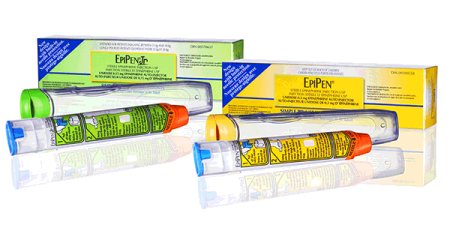
What to Do if You Suspect a Medication Allergy If you suspect that you’re having an allergic reaction to a medication, stop taking it immediately and contact your healthcare provider or pharmacist. For mild symptoms like itching or a rash, they may suggest using an antihistamine like diphenhydramine (Benadryl) to reduce the reaction. However, if you experience more serious symptoms—like swelling of the throat, difficulty breathing, or dizziness—seek emergency medical attention. Anaphylaxis is a life-threatening allergic reaction that requires an epinephrine injection and immediate medical care.
It’s also crucial to document your reaction. Keep a list of medications that have caused allergic responses in the past, and share this information with your pharmacist and doctor. This helps prevent future exposure to the same or similar drugs, reducing the risk of another reaction.
How Your Pharmacist Can Help Pharmacists play a vital role in preventing medication allergies. Always inform your pharmacist if you’ve had an allergic reaction to any medication in the past, including common ones like antibiotics (e.g., penicillin), NSAIDs (e.g., ibuprofen), or even certain vaccines. This allows your pharmacist to recommend alternatives that are less likely to cause an allergic response. Pharmacists can also guide you on how to properly read medication labels and recognize ingredients that might trigger allergies, especially when it comes to OTC drugs.
Additionally, pharmacists can help you understand the potential side effects versus allergic reactions of any medication you’re taking, helping you know when to take action. They are also knowledgeable about drug interactions that may increase your risk of adverse reactions.
Takeaway for Managing Medication Allergies In summary, medication allergies are serious but manageable if you know what to look for and how to respond. Recognizing symptoms like hives, itching, or difficulty breathing and seeking appropriate medical attention can make all the difference. Your pharmacist is an excellent resource in helping you stay safe, offering guidance on avoiding problematic drugs and finding suitable alternatives.
If you ever have concerns about your medications or think you may be experiencing an allergic reaction, don’t hesitate to reach out to Chappelle Pharmacy. We are here to support you with expert advice and personalized care to ensure your well-being.